
Lifestyle is more than a collection of habits—it is a reflection of our values, priorities, and the choices we make every single day. In today’s fast-paced world, lifestyle has become a powerful concept that connects health, work, relationships, personal growth, and happiness into one meaningful framework. A balanced lifestyle does not mean perfection; rather, it means consciously shaping your life in a way that supports your physical, mental, emotional, and social well-being.
Understanding Lifestyle in the Modern World
Traditionally, lifestyle was associated with income, profession, or social status. Today, its meaning has evolved. Lifestyle now represents how we manage our time, energy, and attention. From the food we eat and the way we work to how we relax and connect with others, every choice contributes to our overall quality of life.
Technology has significantly influenced modern lifestyles. While digital tools have made life easier and more efficient, they have also blurred the boundaries between work and personal time. As a result, many people are now seeking a more intentional lifestyle—one that emphasizes balance, purpose, and well-being over constant busyness.
Health as the Foundation of Lifestyle
A healthy lifestyle begins with taking care of the body. Physical health is the foundation on which all other aspects of life are built. Regular exercise, balanced nutrition, proper sleep, and hydration are not trends—they are necessities.
Exercise does not have to mean intense gym sessions. Simple activities like walking, yoga, cycling, or stretching can significantly improve physical fitness and mental clarity. Similarly, healthy eating is not about strict diets but about mindful choices—choosing whole foods, reducing processed items, and listening to your body’s needs.
Sleep is often overlooked, yet it plays a critical role in maintaining energy, focus, and emotional stability. A lifestyle that prioritizes rest is more sustainable and productive in the long run.
Mental and Emotional Well-Being
A truly fulfilling lifestyle places equal importance on mental and emotional health. Stress, anxiety, and burnout have become common challenges in modern life. Managing these effectively is essential for long-term happiness.
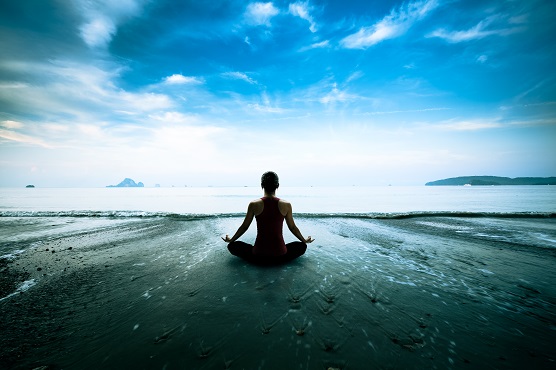
Practices such as mindfulness, meditation, journaling, and deep breathing help calm the mind and improve self-awareness. Taking breaks from screens, spending time in nature, and engaging in hobbies also contribute to mental balance.
Emotional well-being is closely tied to relationships. Maintaining healthy connections with family, friends, and loved ones provides support, comfort, and a sense of belonging. A positive lifestyle encourages open communication, empathy, and emotional honesty.
Work-Life Balance and Career Choices
Work plays a major role in shaping our lifestyle, but it should not dominate our entire existence. A balanced lifestyle allows space for both professional growth and personal fulfillment.
Work-life balance does not necessarily mean working fewer hours—it means working smarter and setting boundaries. Prioritizing tasks, managing time effectively, and knowing when to disconnect from work are crucial skills in today’s digital environment.
Many people are now redefining success, choosing careers that align with their passions and values rather than just financial rewards. A fulfilling career is one that supports your lifestyle goals instead of conflicting with them.
Minimalism and Intentional Living
Minimalism has gained popularity as a lifestyle choice focused on simplicity and clarity. It encourages people to own less, consume mindfully, and focus on what truly matters.
An intentional lifestyle involves making conscious decisions instead of following societal pressures. Whether it’s choosing experiences over possessions or quality over quantity, intentional living helps reduce stress and increase satisfaction.
This approach can be applied to all areas of life—finances, relationships, work, and even digital consumption. Simplifying your environment often leads to a clearer and more focused mind.
Lifestyle and Personal Growth
A positive lifestyle supports continuous learning and self-improvement. Reading, developing new skills, setting goals, and reflecting on personal progress contribute to a sense of purpose.
Personal growth is not about constant achievement; it’s about understanding yourself better and evolving at your own pace. A growth-oriented lifestyle embraces change, learns from challenges, and celebrates small victories.
Social Responsibility and Sustainable Living
Lifestyle choices also impact the world around us. Sustainable living—reducing waste, conserving energy, and making eco-friendly choices—is becoming an important part of modern lifestyles.
Being socially responsible means understanding how our actions affect others and the environment. Supporting local businesses, practicing kindness, and contributing positively to society add deeper meaning to everyday life.
Creating Your Ideal Lifestyle
There is no one-size-fits-all lifestyle. What works for one person may not work for another. The key is self-awareness—understanding your needs, values, and goals.
Start by asking simple questions:
- What makes me feel energized and fulfilled?
- What habits drain my time and happiness?
- What kind of life do I want to build in the long term?
Small, consistent changes often lead to the biggest transformations. Building a lifestyle is a journey, not a destination.
Conclusion
Lifestyle is the art of living intentionally. It is about aligning daily habits with long-term values and creating balance in a constantly changing world. A healthy, mindful, and purposeful lifestyle enhances not only personal happiness but also overall life satisfaction.
By focusing on health, mental well-being, meaningful work, strong relationships, and conscious choices, anyone can design a lifestyle that feels authentic and fulfilling. Ultimately, your lifestyle should support who you are today while allowing space for who you want to become tomorrow.

